Peregal O-3

Peregal O-3

Peregal O-3 is a low polymerization degree fatty alcohol polyoxyethylene ether nonionic surfactant, used as a W/O emulsifier, synthetic fiber softener and silk finishing agent.

CAS No. 68439-49-6
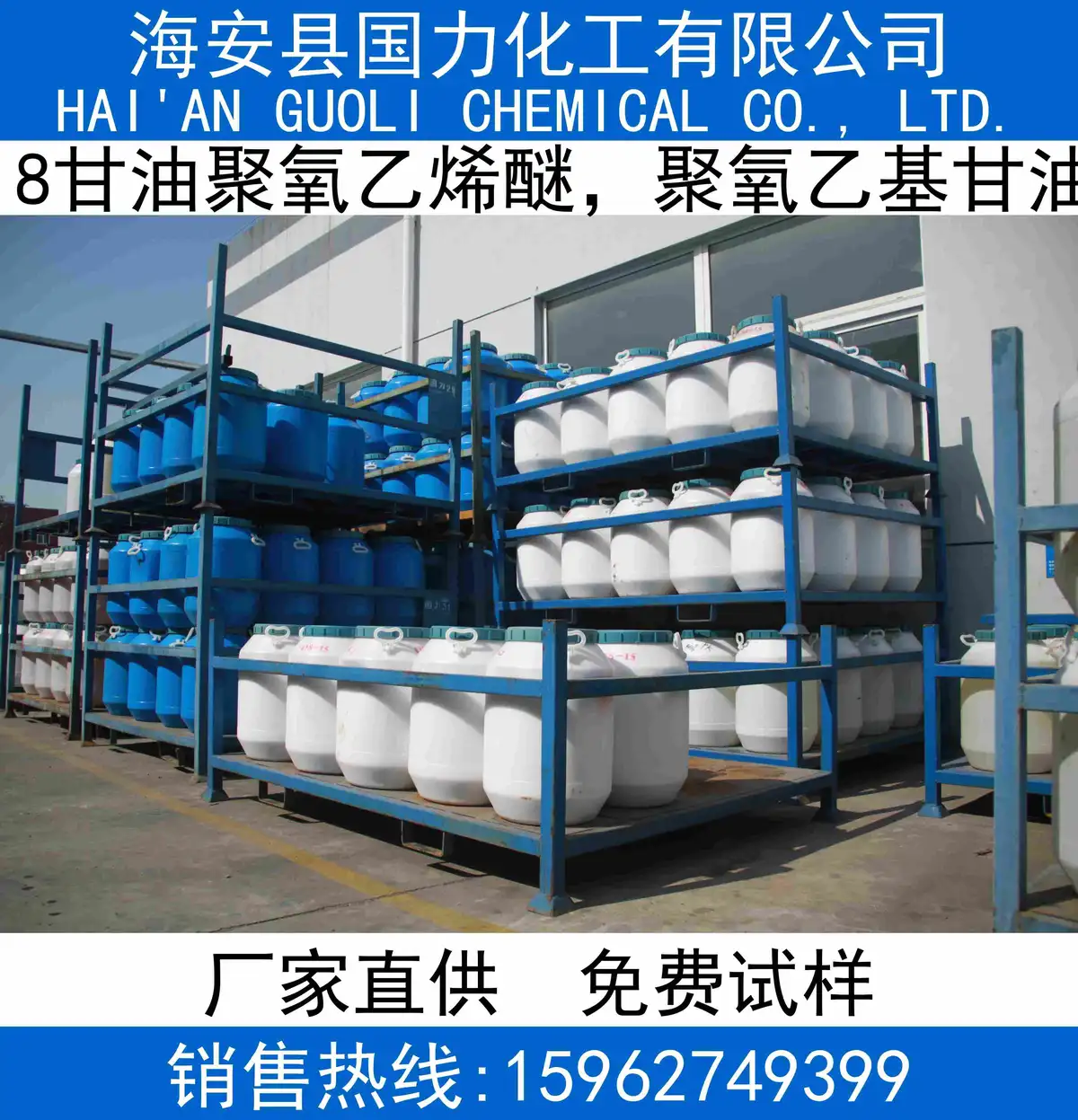
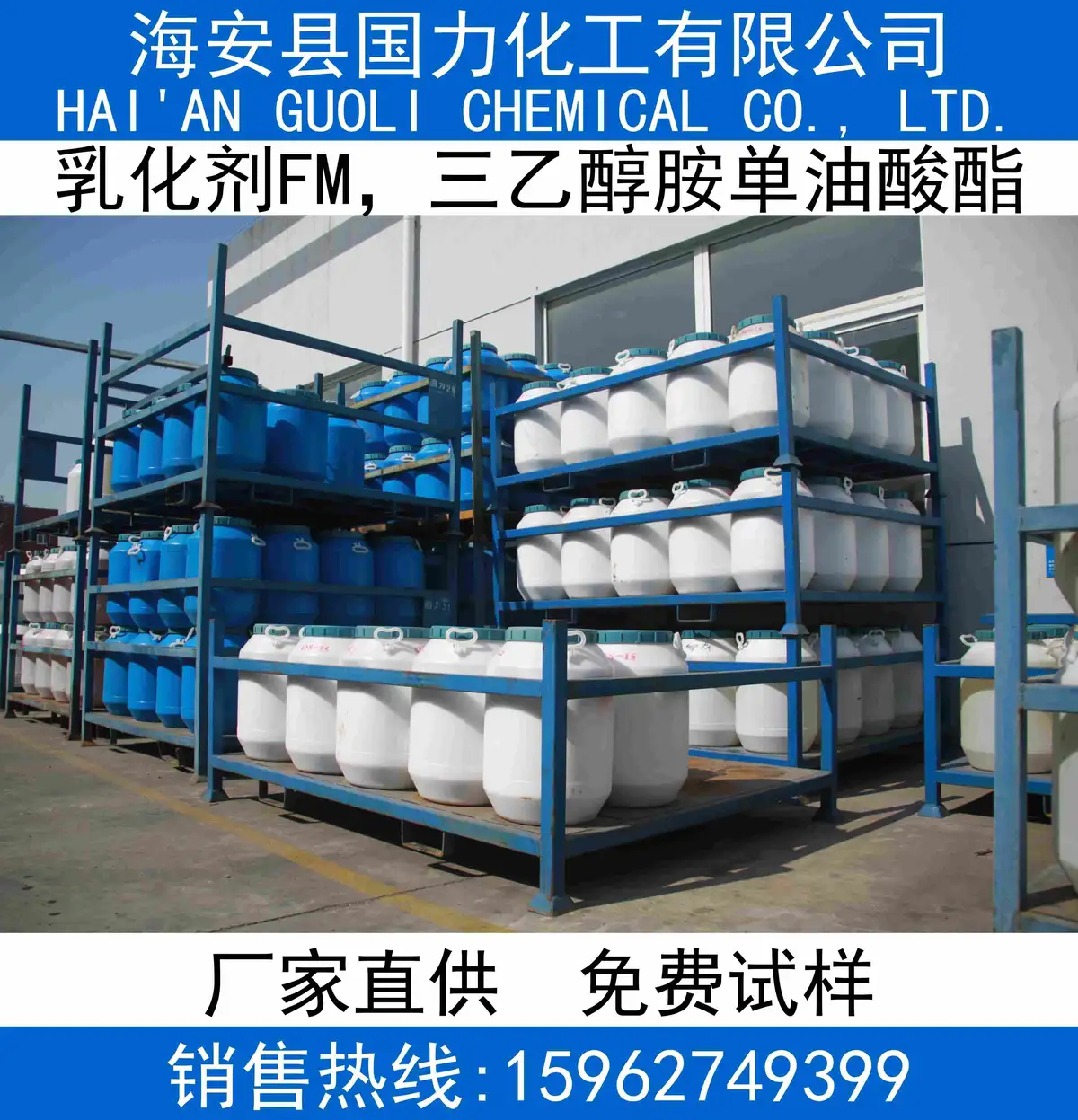
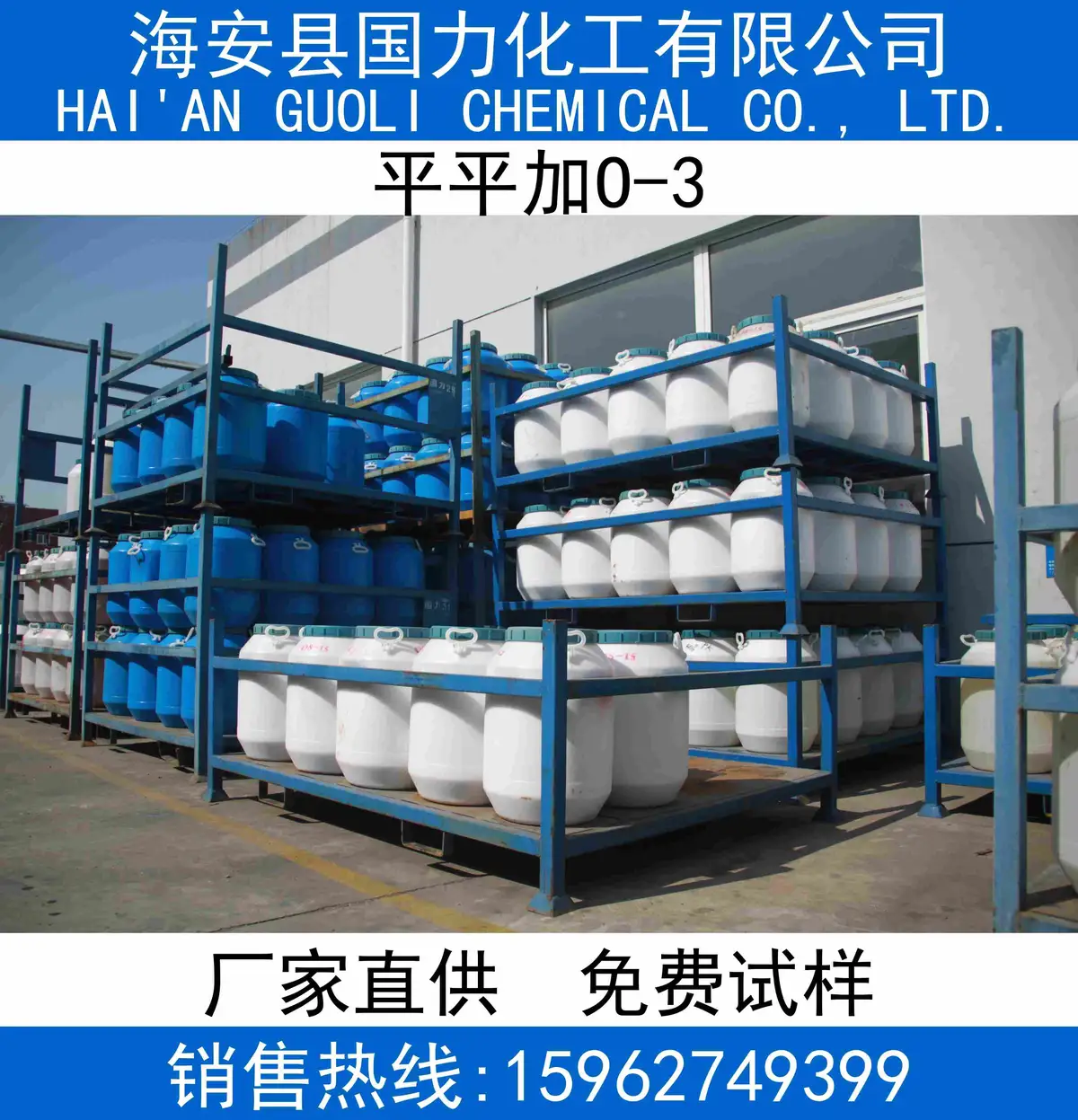
Packaging 50kg plastic drum, 200kg plastic drum, IBC tote
Updated 2026-06-11
Reference Price: 14538.26 ¥/ton
Updated: 2026-06-11

Product Overview

Peregal O-3, chemically fatty alcohol polyoxyethylene (3) ether (CAS 68439-49-6), is a low-polymerization nonionic surfactant. With a low HLB value and strong lipophilicity, it exhibits excellent W/O emulsifying, dispersing and wetting properties, making it a versatile auxiliary for textile dyeing leveling, synthetic fiber spinning oils, industrial degreasing, metalworking fluids, pesticide EC emulsification and cosmetic cream formulations. Guoli Chemical provides in-stock supply with formula technical support and customization.

Performance Features

  • Excellent W/O emulsifying power: The low ethoxylation degree provides strong lipophilicity, effectively forming stable water-in-oil emulsions suitable for oil-based systems.
  • Good wetting and penetrating ability: Rapidly reduces interfacial tension to promote wetting and penetration on various substrates.
  • Fiber softening and smoothing: Imparts soft hand feel and smoothness to synthetic fibers and silk, used in spinning oils and fabric finishing.
  • Controlled HLB for oil-phase applications: With HLB approximately 6.5-8.5, it is ideal for formulating oil-based emulsifier systems and pesticide emulsifiable concentrates.
  • Excellent organic solvent solubility: Readily dissolves in various organic solvents, facilitating incorporation into solvent-based formulations.

Application Guidelines

  1. W/O Emulsifier: Add 2%-6% to the oil phase. Mix thoroughly before slowly incorporating the water phase under high-shear mixing to achieve a stable water-in-oil emulsion.
  2. Synthetic Fiber Spinning Oil: Use at 0.1%-0.5% of the oil formulation to provide smoothness and reduce static buildup during fiber processing.
  3. Textile Dyeing Leveling: Add 0.05%-0.2% to the dyebath to control dye uptake rate and ensure even coloration.
  4. Industrial Degreasing: Formulate at 2%-8% with surfactants and alkaline builders for effective oil and grease removal from metal surfaces.
  5. Pesticide EC: Blend at 3%-10% with anionic emulsifiers to produce stable emulsifiable concentrate formulations.

Packaging and Storage

  • Packaging: 50kg plastic drum, 200kg plastic drum, or IBC tote. Custom packaging available.
  • Storage: Store in a cool, dry, well-ventilated area at 5-35°C. Keep container tightly closed. Shelf life: 24 months.

Peregal O-3 Application Guide

Peregal O-3 is a low-HLB nonionic surfactant with strong lipophilicity. Key applications:

  • W/O Emulsifier: Effectively emulsifies water into oil phases to form stable water-in-oil emulsions for cosmetic creams, lubricants and pesticide EC formulations. Dosage: 2%-6% in oil phase.
  • Synthetic fiber spinning oil: Provides smoothness and reduces friction in polyester, nylon and polypropylene fiber spinning processes. Dosage: 0.1%-0.5% in oil formulation.
  • Silk and fabric finishing agent: Imparts soft hand feel and smoothness to silk and synthetic fabrics.
  • Industrial degreasing: Formulated with surfactants and alkaline builders for effective oil and grease removal from metal surfaces. Dosage: 2%-8%.
  • Pesticide EC emulsifier: Co-emulsifier for emulsifiable concentrate formulations. Dosage: 3%-8%.

Product Properties

Property Value
CAS No. 68439-49-6
Molecular Formula C12-14H25-29O(C2H4O)3H
Appearance Colorless to pale yellow liquid or paste
Ionic Type Nonionic
Avg. Molecular Weight Approx. 330
Cloud Point Insoluble in water; no typical cloud point
Active Content ≥99
pH Value(1%) 5.5~7.5
pH Value(5%) 5.5~7.5
Iodine Value ≤2
Solubility Soluble in ethanol, acetone and other organic solvents; dispersible in water
Surface Tension ~28~30 mN/m (0.1%aq. soln., 25°C)
CMC ~0.05 g/L
Acid Value ≤1.0
Saponification Value ≤1.0
Hydroxyl Value 160~170
Moisture ≤1.0
Density 0.92~0.94
Kinematic Viscosity 30~50
Refractive Index 1.45~1.46
Flash Point >150 °C
Hygroscopicity Slightly hygroscopic
Chemical Stability Good chemical stability against acids, alkalis, hard water and oxidizers
Foam Property Low foam
Alkali Resistance Good
Unsaturation Extremely low
Viscosity 30~50
Melting Point 35~40 °C
Low Shear Viscosity ~28~47 mPa·s (25℃)
Solid Content ≥99
Free Alcohol ≤1.0
Heavy Metal ≤10
Arsenic ≤2

Peregal O-3 Safety Instructions

Hazard Overview (GHS)

  • Skin Irritation Category 2 — H315: Causes skin irritation
  • Eye Irritation Category 2A — H319: Causes serious eye irritation
  • Hazardous to aquatic environment Acute Category 3 — H402: Harmful to aquatic life

Signal word: Warning

Safe Handling

  • Read and understand this safety instruction before operation.
  • Wear protective gloves (nitrile), chemical safety goggles and protective clothing.
  • Do not eat, drink or smoke when using this product.
  • Wash hands and exposed skin thoroughly after handling.
  • Avoid contact with eyes, skin and clothing.
  • Ensure adequate ventilation.
  • Avoid release to the environment.

Storage

  • Keep container closed. Store in a cool, dry, well-ventilated place.
  • Keep away from heat, sparks and open flames.
  • Store separately from strong oxidizers, strong acids and strong alkalis.
  • Avoid direct sunlight. Recommended ambient temperature storage.

Emergency Treatment

Skin: Remove contaminated clothing. Wash with plenty of soap and water for at least 15 minutes. Seek medical advice if irritation occurs.

Eyes: Rinse immediately with plenty of water or saline for at least 15 minutes, keeping eyelids open. Seek medical attention promptly.

Inhalation: Move to fresh air. Keep airway clear. Administer oxygen if breathing is difficult. If breathing stops, perform artificial respiration and seek medical attention.

Ingestion: Rinse mouth. Do not induce vomiting. If conscious, drink small amounts of water. Seek immediate medical attention.

Fire: Not highly flammable but may release irritating or toxic fumes in fire. Firefighters wear SCBA and full protective gear. Use water fog, foam, dry powder or CO2.

Spills: Evacuate personnel. Stop leak if safe. Small spills: absorb with inert material (sand), collect in sealed containers for disposal. Large spills: build dikes, recover with explosion-proof pump. Prevent entry into sewers, waterways or soil.

Disposal

Dispose of waste product and contaminated containers through licensed waste disposal facilities in accordance with national and local environmental regulations. Do not discharge into sewers, waterways or soil.

Related Products

Products you may be interested in